The Fly Hunter flocks to stinky loo in Jamberoo

Danielle Woolage
09 February 2026, 5:00 AM
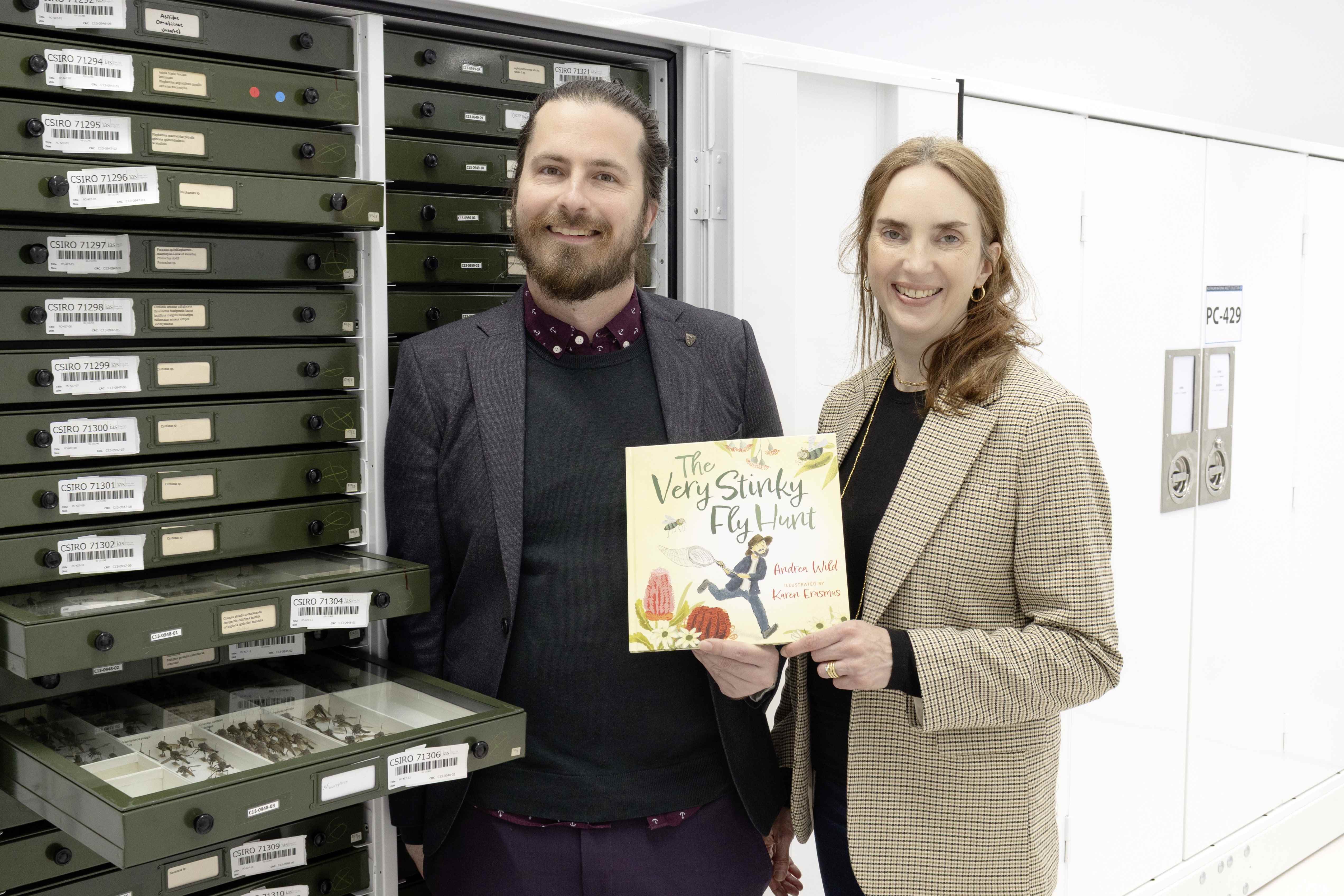 Keith Bayless and Andrea Wild.
Wildlife educator Steve Irwin’s work with a much-maligned reptile not only earned him his famous Crocodile Hunter moniker, but shone a spotlight on environmental conservation.
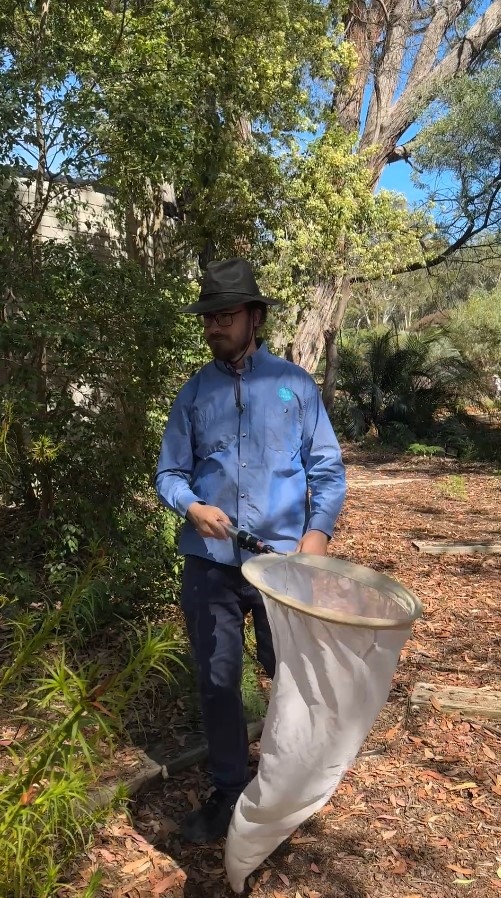
Now CSIRO entomologist Keith Bayless - nicknamed The Fly Hunter by colleagues - is on a similar mission, to inspire kids to love bugs and science by documenting his search for a rare Australian fly which he rediscovered in a stinky loo near Jamberoo.
Bayless found the Clisa australis - or what he colloquially calls the bat poo fly after its main food source - at Barren Grounds national park more than 30 years after it vanished from Australian records.
The rare Australian fly was first discovered deep in a bat cave near Kempsey in the 1960s by entomologist David McAlpine. It later turned up in pit toilets in a northern NSW national park in the 1990s before disappearing again.
Bayless spent more than 10 years hunting for the tiny insect, before he finally found it near Jamberoo.
His dogged hunt earned him his nickname and, like The Crocodile Hunter, Bayless hopes his research will spark young people to be “curious about nature”.
The fly specialist, who grew up in the United States in suburban New Jersey and got his PhD from North Carolina State University before travelling to Australia to work at the CSIRO, recalls hunting flies in his suburban backyard and being inspired by Irwin as a young nature lover.
“The Crocodile Hunter was certainly beloved when I was growing up,” says Bayless.
“And while crocodiles might be a lot bigger than flies, they are sometimes just as hard to see as they hide so well. So I don’t know which is more difficult to spot but I'm certainly happy that I work on flies and not crocs.”
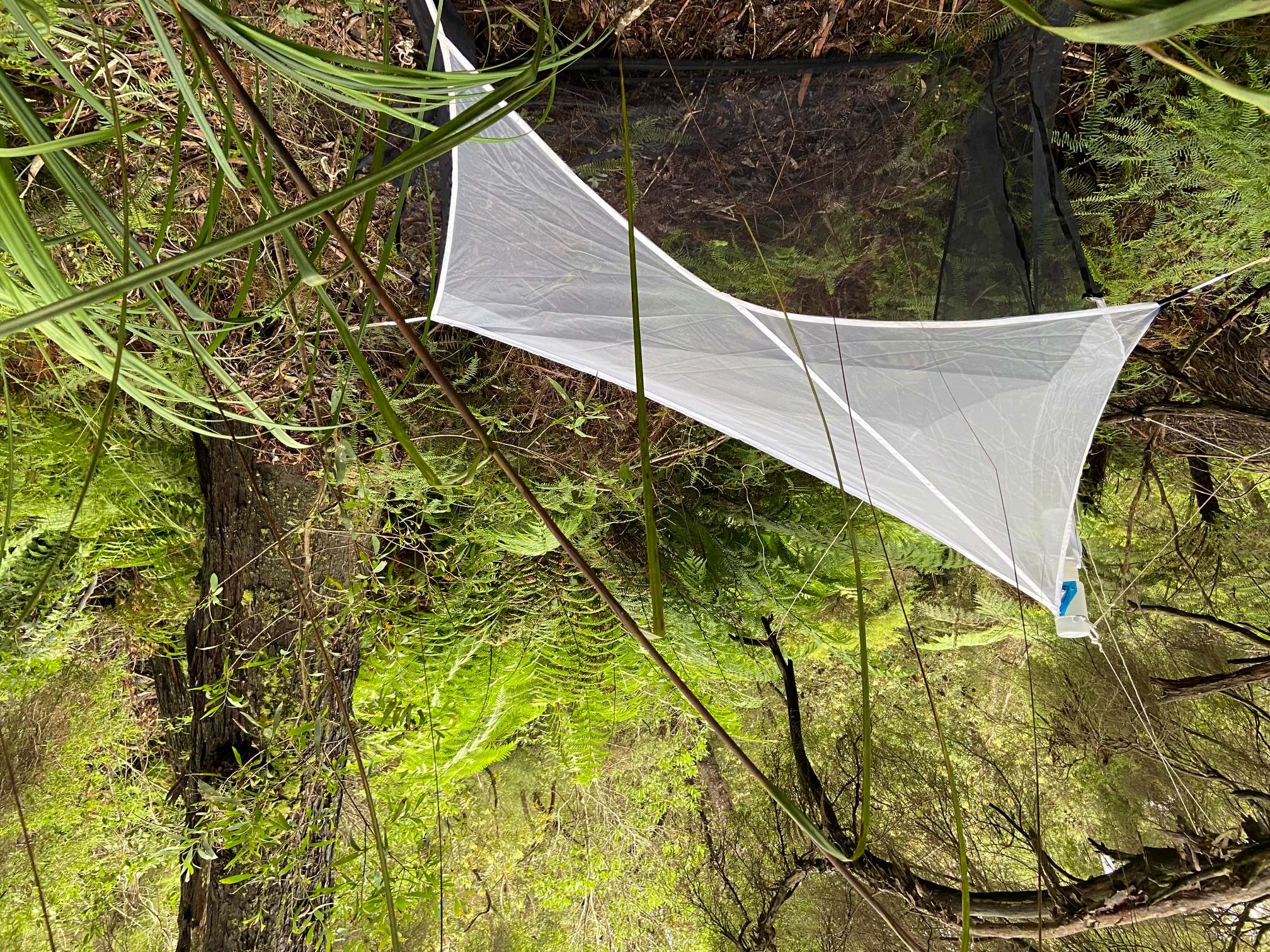
While the scientist’s target is much smaller, less aggressive and far more elusive than a saltwater croc his hunting ground - national park dunnies across the east coast - could be considered just as daunting as scouring croc-infested waters.
“I’ve checked the walls and ceilings of an embarrassing number of public toilets in parks since 2015,” says Bayless on his hunt for the bat poo fly.
“If I’m driving I’ve been known to take a peek inside drop toilets if there’s a car park nearby.
"Often entomologists will check structures like toilets because tiny insects are more visible on walls and, in the case of the bat poo fly, the larvae develop in the pit and eat poo.”
When Bayless visited the Australian museum and met McAlpine, the first person to describe and discover Clisa australis, it inspired his decade-long hunt for the bat poo fly.
Bayless visited the original cave site near Kempsey where McAlpine worked with bat experts to discover the species but found that the cave was “on a cliff and surrounded by stinging trees“.
“I didn’t have the right gear to get in,” says Bayless.
So instead he started looking in the last place they were sighted - national park pit toilets.
After years of painstakingly scouring smelly dunnies found the rare species in a trap he had set up near a pit toilet in Barren Grounds, off Jamberoo Mountain Road.
“It was nestled under land leeches in a sample from a dark, humid gully,” he says. “That fly had never been collected by trapping before.”
Bayless says he felt “elation and relief” after years of searching for his tiny target.
“But there was also a fair amount of confusion because it hadn’t been spotted this far south before,” he explains.
The finding spurred him on to widen his hunt and not long after his first discovery Bayless spotted a live Clisa australis sitting on a “loo roll” near Merimbula.
“It really stood out, blue and shiny, on the white background of toilet paper,” says Bayless.
Now the entomologist’s hunt for the tiny fly - which is closely related to the fruit fly species - has been turned into a children’s book called The Very Stinky Fly Hunt.
Written by CSIRO science communicator Andrea Wild, the book aims to inspire kids to follow their own scientific adventures just like Bayless and to also elevate the humble fly from household pest to important pollinator.
Bayless says the rediscovery of the Clisa australis could help scientists better understand the migration patterns of the rare species - it has since been spotted in Victoria - and also mitigate the spread of agricultural diseases.
“Clisa australis is closely related to fruit flies so it's useful to compare the two to develop better ways to control agricultural pests,” says Bayless.
“We need to learn a lot more about these flies and their rediscovery will help us understand their role in the ecosystem and how flies evolved from feeding on waste to feeding on plants.”
Bayless says flies have an unfair reputation for bringing disease and ruining crops but only one per cent of the species has a negative impact on humans and agriculture. The rest have an important role to play in building healthy ecosystems.
“Flies are the second-most important pollinating insect after bees,” says Bayless.
“The cacao tree, grown for chocolate, can only be pollinated by flies and the blow fly is the main pollinator of mangoes alongside bees.
“Farmers often throw fish heads under their mango trees just to attract flies for pollination.
"The Very Stinky Fly Hunt is a great way for curious young people who want to learn more about the species and what it’s like to be an entomologist.”
NEWS