Should Kiama keep iconic but imported Norfolk Pines?

Paul Suttor
23 February 2026, 5:15 AM
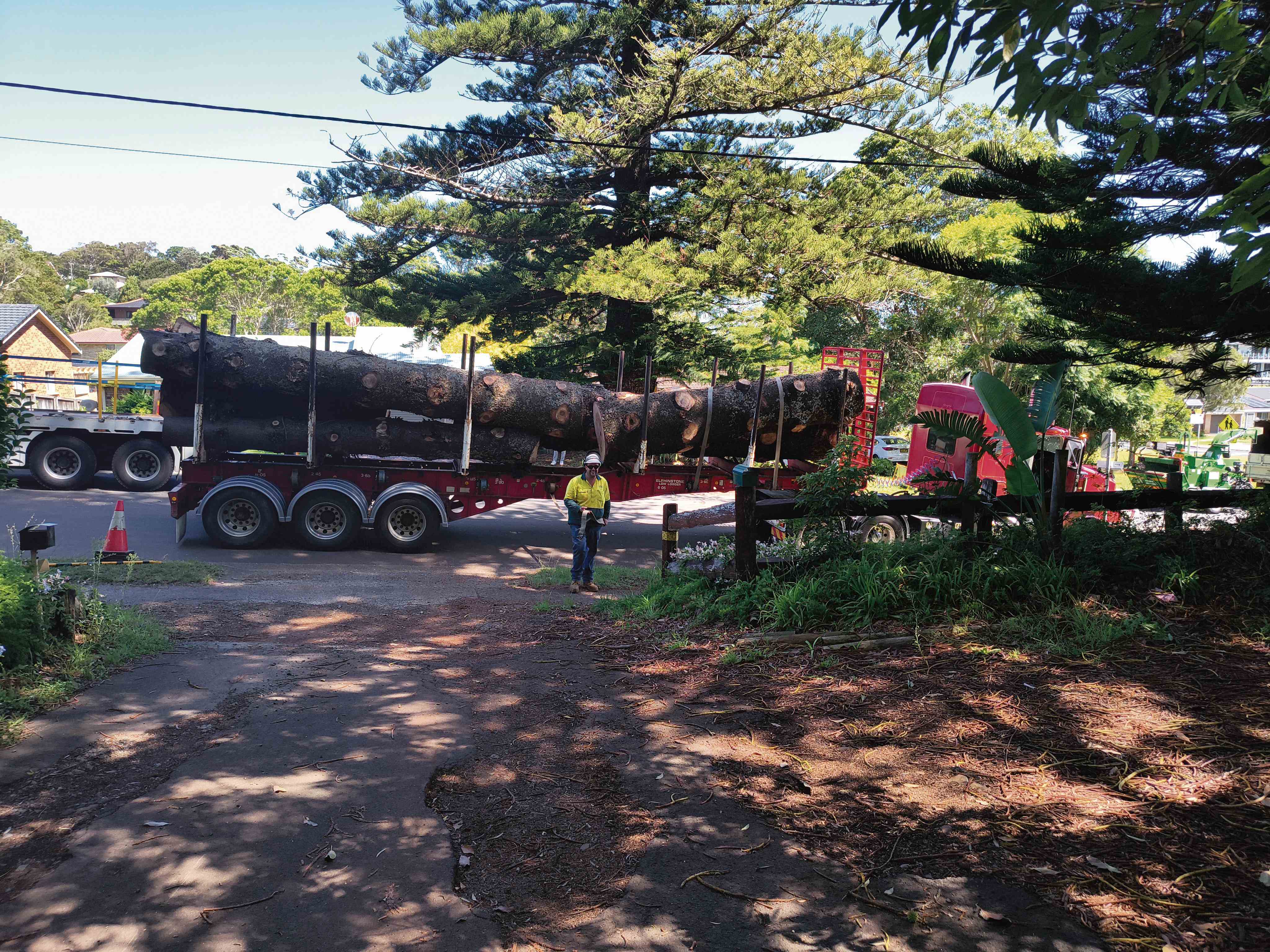 The Norfolk Pine at Belinda Street was removed. Photo: David Toohey
On the same day as one of the biggest Norfolk Pines in the local government area was chopped down, Kiama Council has been asked to review whether the iconic but non-native species should remain part of the future.
Council removed a damaged Norfolk Pine, which was dead, at Belinda Street in Gerringong on Tuesday and later that night, a motion by Councillor Stuart Larkins was passed which asked Council to consider the Urban Greening Strategy as a required action item in the Delivery and Operational Plans for the next financial year or 2027-28.
As part of the Strategy, Cr Larkins is asking Council to review whether Norfolk Pines should be listed as a “Tree Species of Significance” in its Development Control Plan.
He said the trees have “a unique, but complex, history in our LGA”.
Norfolk Pines along Terralong Street, from Collins Street to the Kiama Anglican Church, are listed as local heritage items.
In his submission, he noted that the history of Norfolk Pines in coastal regions in NSW stem from colonialism, where they were planted to provide masts for ships.
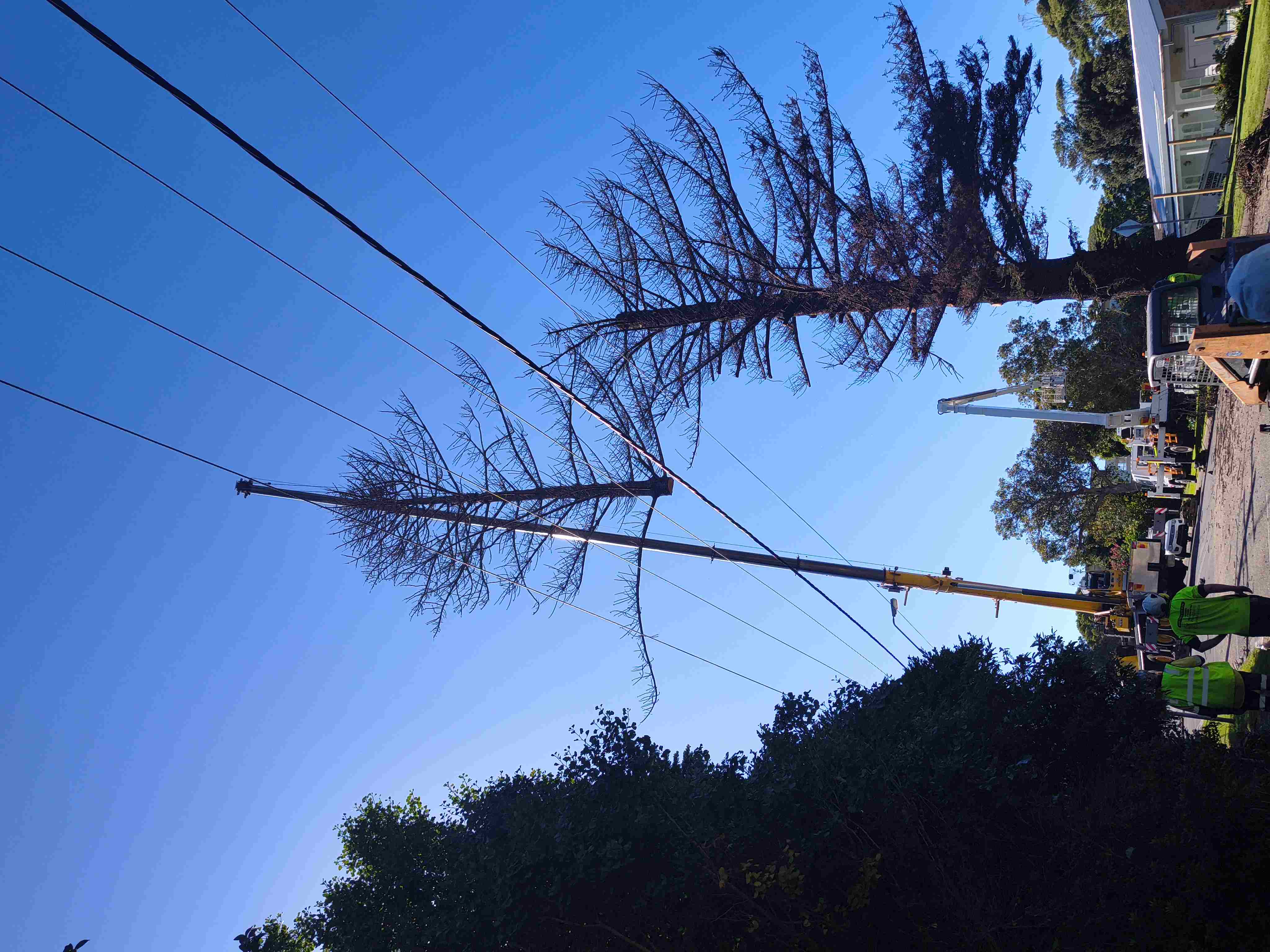
The tree being removed in Belinda Street. Photo: David Toohey
Cr Larkins said they provide scenic landscaping and identity for the town but they are not a native species which require significant public and private management that have caused significant impacts to public infrastructure, including footpaths, roads, housing and water and electricity infrastructure.
“I think it's quite a complex and challenging topic for Councillors and our community when it comes to those trees,” Cr Larkins said at the meeting.
“As part of reviewing and updating our local greening and tree management, we need to consider the role and the future aspects of those trees in our community.”
Council CEO Jane Stroud told The Bugle that trees of all shapes and sizes are really important for shade, amenity and character of a town.
“In the case of Norfolk Pines, they link to boat building and the ethos of history of eras gone by. So of course people are attached to them.
“There's barely a coastal community on the eastern seaboard of Australia where you won't find a Norfolk Pine. They're everywhere. They're part of our collective culture and history.”
She acknowledged that there are environmental health concerns attached to Norfolk Pines.
“That said, they do create some challenges, whether that's view loss, noise. They drop really significant cones and seeds, and attract quite a lot of bird activity, which can be a good thing, can be a bad thing.
“I think it's probably sensible to assume that during the development of an Urban Greening Strategy, folks are going to talk about what's an appropriate tree along the foreshore, and the question of Norfolk Pines will get raised."
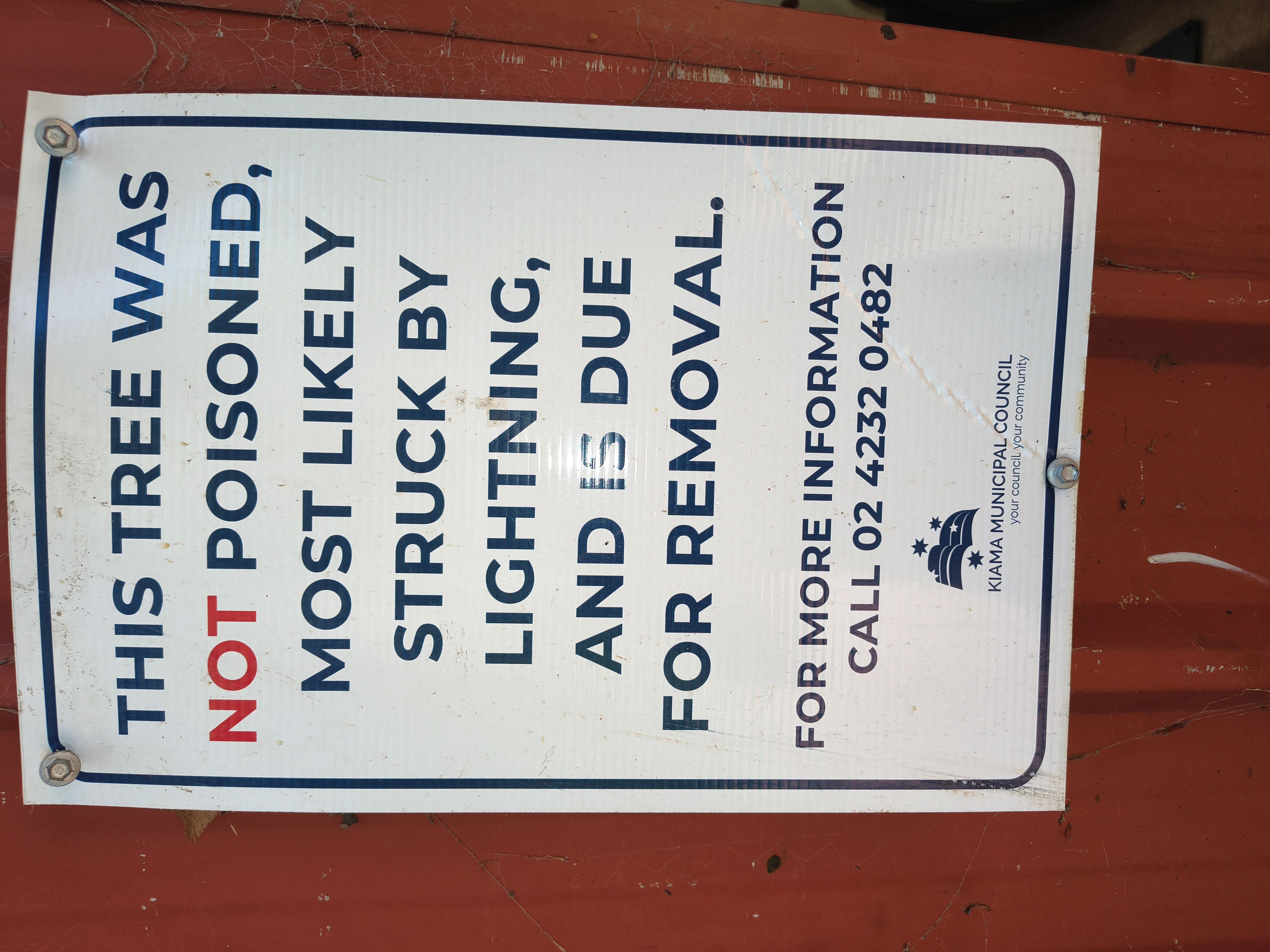
As for the massive Norfolk Pine on Belinda Street which was removed, Stroud said it had been identified several months ago as a hazard and Council put up a sign to inform the public that “this tree was not poisoned, most likely struck by lightning” so speculation about vandalism allegations would not gain traction.
“We all know tree vandalism does happen, but on that occasion, we had complaints, we did testing and soil sampling and we could find no evidence.
“So we communicated to people up front and early and say the tree has not been poisoned and it’l need to come down.
“It was expensive to remove because it was so big and required an appropriately qualified arborist.
“I'm sorry it will leave a hole in that streetscape because it was a significant tree, but it was dead and now it’s won’t risk anybody's property.”
NEWS