Paws for thought: Carers needed for puppy love

Danielle Woolage
22 February 2026, 7:00 AM

Calling all South Coast puppy lovers, Assistance Dogs Australia needs your help.
The organisation is calling for volunteers who work from home, are retired or have flexible schedules and live within 100km of Sydney to help raise the next generation of life-changing assistance dogs.
Puppy raisers like Beth Kates provide loving homes for puppies aged 8-18 weeks, socialising, training and integrating them into their everyday lives until the dogs are around 15 months old.
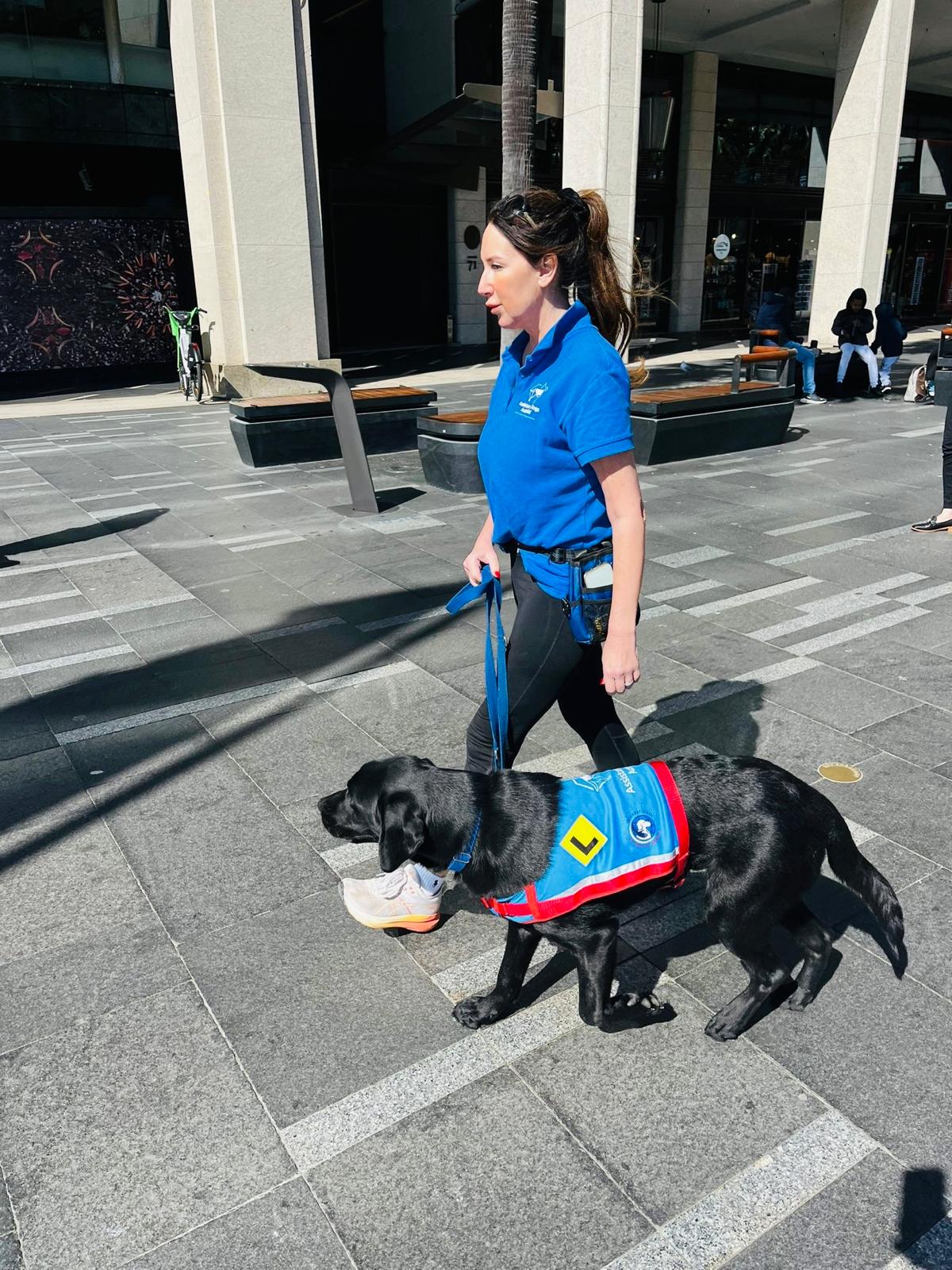
They then return to Assistance Dogs Australia for intensive training before finding their forever homes with people with physical disability, children and families with autism, and people with post-traumatic stress disorder.
When Beth moved from England two years ago she had to leave her own beloved pooches behind as they were in their twilight years and she was concerned the long journey and quarantine requirements would be too much for them.
Desperately missing her dogs, she decided to volunteer with Assistance Dogs Australia, bringing Cairo - a black labrador puppy - into her home with her teenage sons.
“I really missed having dogs around,” says Beth. “I came from a farm in England and now I live in a city so becoming a puppy raiser for ADA was a really good way for me to have four paws on the floor.
“They go everywhere with you, the shops, the cinema, everywhere, they have to because you are training to be able to eventually go everywhere for the people they support.
“You get a much closer bond than you would with a normal pet dog. They become really bonded with you, look at you all the time for guidance as to what they should be doing and do everything you ask of them because that’s what they need to be doing as assistance dogs.”
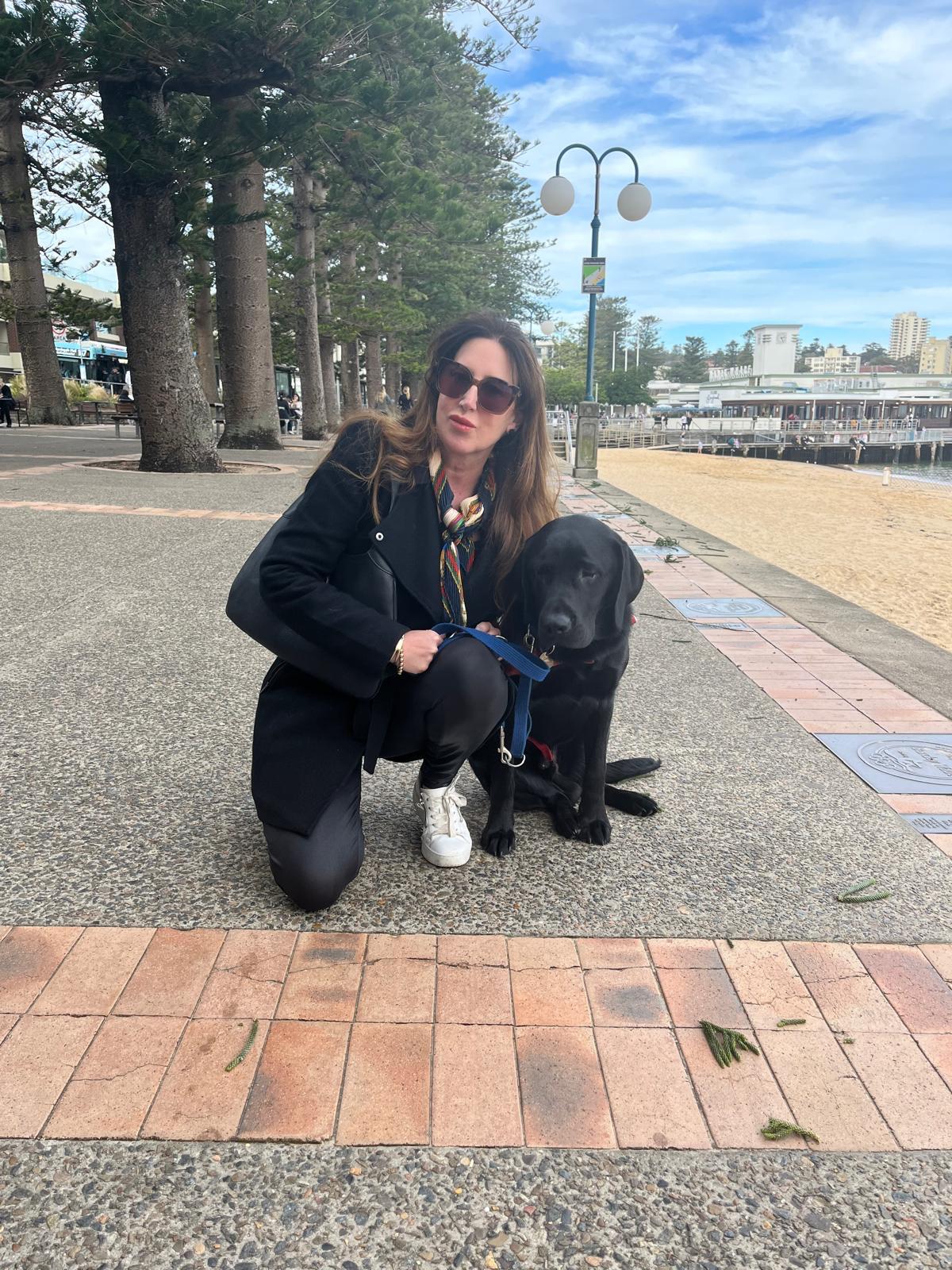
When it was time to say goodbye to Cairo, Beth was “heartbroken”.
“I absolutely fell in love with him. He was amazing, so saying goodbye was really, really hard,” she said.
“But then I saw him two months after he went back to national training and he definitely remembered me and he was just giving me lots of big hugs.”
The only way to get over missing Cairo was to “get another puppy to raise” and she is now training a golden labrador called Nancy.
ADA volunteer program manager Kristie Worthy said puppy volunteers were essential to the success of the organisation’s programs.
“By opening their homes and their lives to a puppy, volunteers help shape calm, confident dogs who will one day provide independence and support to someone who truly needs it,” she said.
“Assistance dogs change lives, but they don’t get there on their own. Every assistance dog starts out as a puppy, and every puppy needs a dedicated volunteer to guide them through those critical early months.”
Beth says training high-energy labradors - the preferred breed for Assistance Dogs Australia - required patience and daily practice.
“Assistance dogs need to be able to open doors or a drawer, they need to be able to bring somebody the remote control, to go in a crate and stay there and not rush out when you open the door,” she explained.
“You want a perfectly behaved dog. And so getting to that point requires daily training - every task you do has to involve the dog so that they've got the best ever manners.
“And you see most Labradors are not like that as puppies but they are very food driven so it’s our job to teach them!”
Volunteers receive training and support with frequent visits from a field trainer and the Assistance Dogs Australia community.

“Some days the training can be tricky," added Beth. "If the dog's a bit distracted, it's too hot, there's other dogs around, but knowing that you are doing it to help people who need assistance in their daily life keeps you motivated.
“It's an incredibly important thing to do and that’s what got me through the training on the difficult days. There’s always someone at the end of the phone so you can ask questions, touch base, we've got a community of volunteers and puppy educators that you can say ‘has anyone had this problem before’.”
Assistance Dogs Australia provides support for all food, veterinary care, equipment and ongoing training for volunteers.
Prior experience with dogs is helpful but not essential and volunteers need to have the puppies with them for most of the day as the puppies couldn’t be left home alone for long periods.
“It's a really good, feelgood thing to do,” said Beth. “And volunteers get a lot of puppy snuggles.”
For more information or to register interest, visit assistancedogs.org.au/volunteer.
NEWS