

Inside Kiama’s childcare desert

Amy Molloy
18 January 2026, 11:00 PM
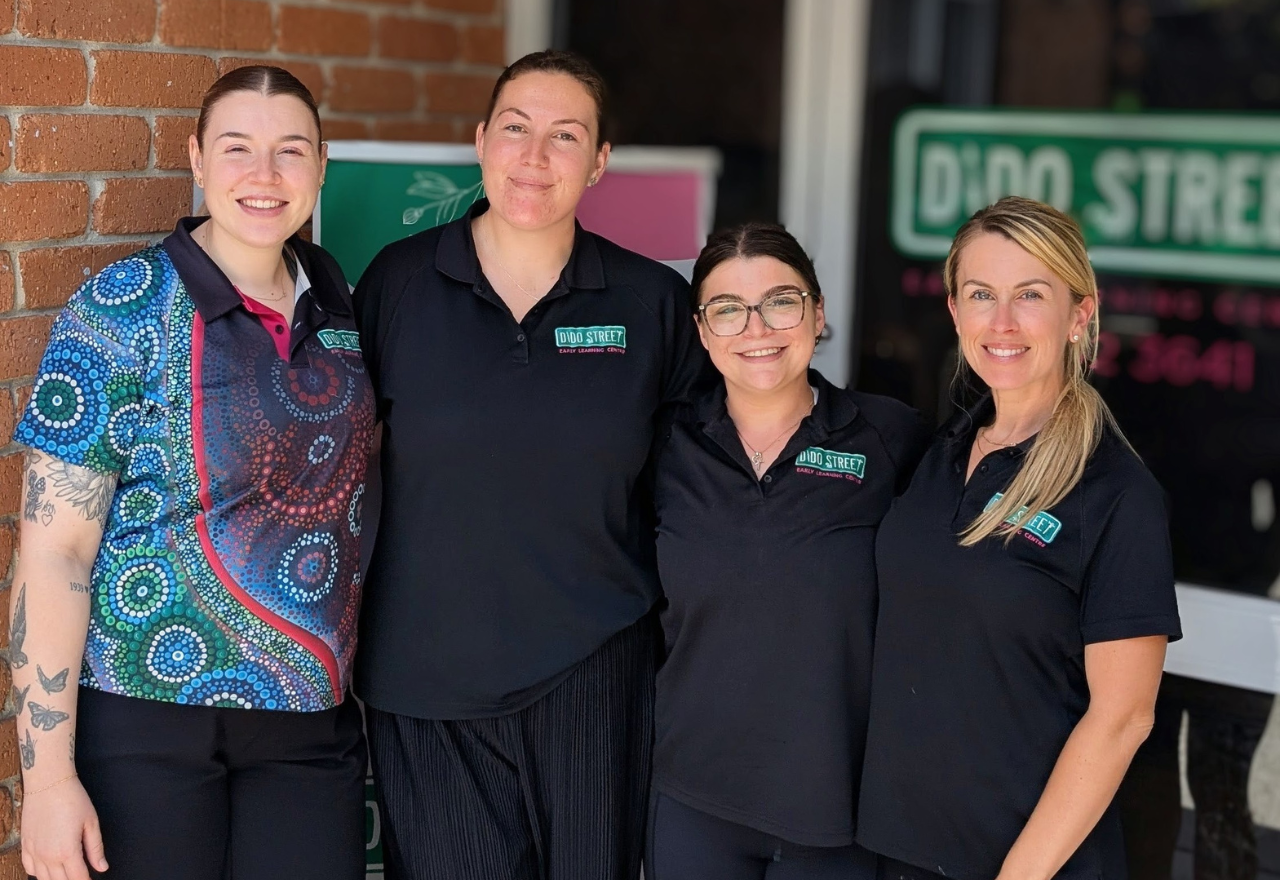 Kate McNaughton (Right) and her team.
For Kate McNaughton, the owner of Dido Street Early Learning Centre (ELC), one of the hardest parts of her job isn’t staffing, compliance, or paperwork - it’s saying no.
“It is incredibly difficult,” she says. “I have had parents call in tears, feeling overwhelmed and desperate to secure care so they can return to work. As a mother myself, these conversations are especially hard.”
And these aren’t one-off conversations. They’re happening again and again.
At Dido Street ELC, the most in-demand spots are in the ‘baby room’, where children are cared for up to the age of two. With capacity for just five children per day, the waiting list stretches out for two years. Sibling enrolments are prioritised, and for everyone else, the list keeps growing.
“Families are often shocked,” says McNaughton. “They’re unaware of the current childcare shortage, especially in infant care. The majority of new enrolments typically occur at the start of the year, when children transition to primary school and places open up.”
Her advice is blunt - and often surprising to first-time parents.
“Immediately get onto a [childcare] waiting list as soon as you fall pregnant. Sounds silly doesn't it, but it is the reality of the matter.”
Kiama may be one of the South Coast’s most sought-after postcodes, but for parents of young children, there’s a less glossy reality beneath the surface. The town has officially been labelled a “childcare desert” - a term used when demand for childcare far outstrips supply.
It’s not just a local problem. Across New South Wales, 28 per cent of the state is now classified as a childcare desert, according to a report by Victoria University. That figure is down from 40 per cent in 2020 - a rare piece of good news in a sector under pressure.
There are a couple of reasons for the shift. The number of childcare places has increased by about 10 per cent between 2020 and 2024, while population growth among children under five has slowed.
But statistics don’t always match lived experience. For families actually trying to secure paid care - especially for babies - places can still feel like gold dust. Infant rooms are more expensive to run, staffing ratios are tighter, and fewer services offer them at all.
Then there’s the fear factor.
By almost any measure, 2025 was not a good year for the early childhood sector. A series of high-profile abuse cases, serious compliance breaches and regulatory failures dominated headlines and rattled parents nationwide.
The anxiety quickly spilled into local Facebook groups, including Wollongong Mums and Illawarra Parents, where worried families debated pulling children from centres, delaying enrolments, or questioning whether formal childcare was safe at all.
That unease didn’t stop at the screen. Naomi Gates, director of Kiama Preschool, said her service saw a sharp rise in enquiries following the abuse scandal at a Melbourne childcare centre last year. Choice matters more than ever, she said - and families are seeking reassurance.
“It’s a huge decision to find the service that matches with your philosophy,” said Gates. “There is also a strong emotional component, as leaving your child each day in the care of others is a major decision for families. I have seen parents very anxious, and I recognise the need to build trust and confidence with families.”
Kiama, she argues, has more options than the “desert” label suggests. According to data supplied by the Australian Childcare Alliance (ACA), the Kiama local government area has 642 places in long daycare services, 185 in community preschools and 381 places in out-of-school care.
“Navigating the many different services can be daunting,” says Gates. “My advice is to always visit the service, talk to the educators, and find out about the service’s philosophy.”
In New South Wales, every Early Childhood Education and Care service is required to publicly display its compliance and quality rating history, with information available to families on the government’s Starting Blocks website. A recent NSW Parliamentary Inquiry into the early childhood education and care sector flagged the need for faster reporting.
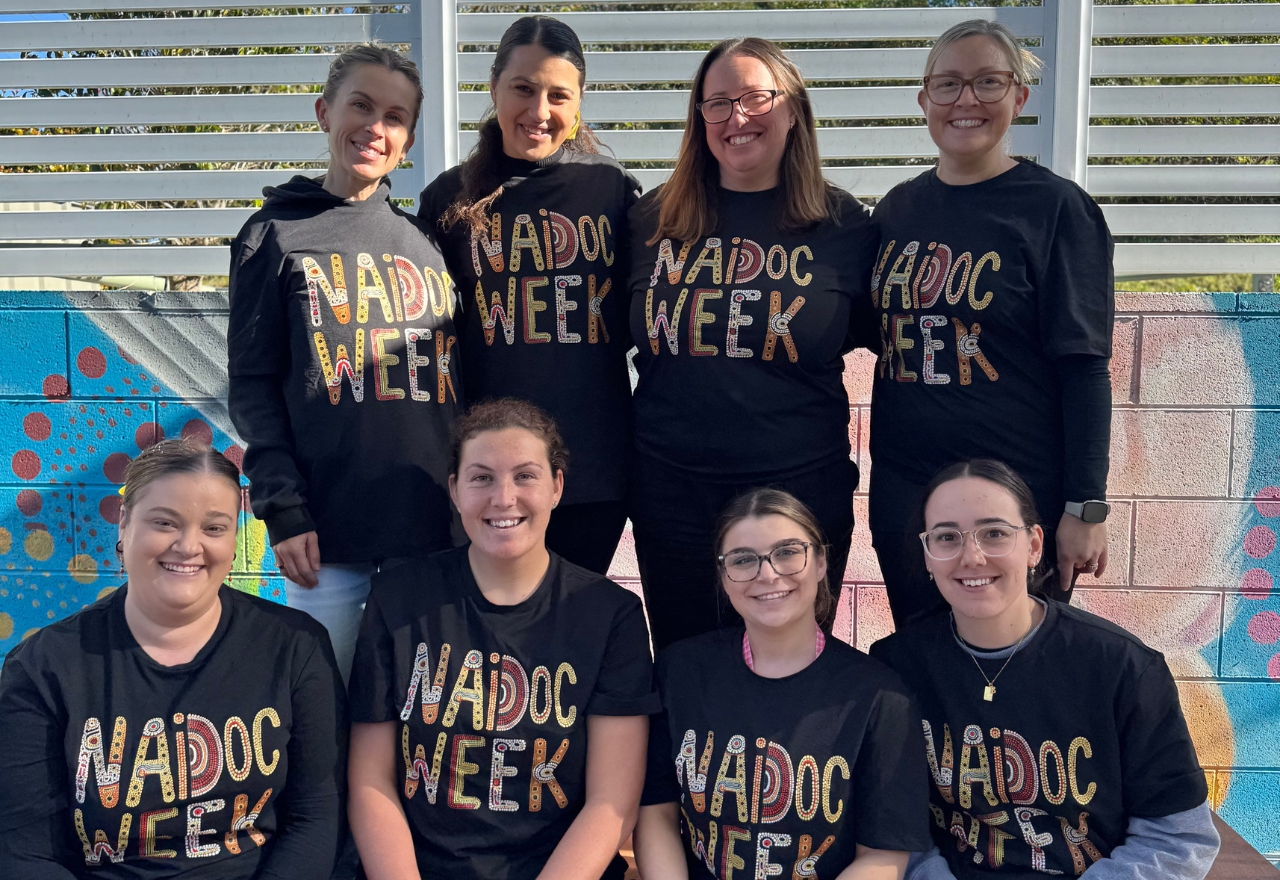
Kate (Top left) and her team from Dido Street Early Learning Centre on NAIDOC Week.
Little Zacs Academy, which opened in Kiama Heights in 2024, is currently listed as “not yet rated” on the Starting Blocks website. Until ratings catch up, parents often fall back on what they trust most - word of
mouth. playground conversations and WhatsApp chats continue to shape decisions as much as official data.
Tune into parents’ conversations and a clear picture emerges. What matters most isn’t just the curriculum, but safety, a sense of calm, and meaningful outdoor play - hallmarks of both Kiama and Jamberoo Preschools. Nature-based play is also growing in popularity. Grounded Education, run by two local parents, offers a “Bush Kindy drop-off program” for children 3-7 years old, running following the school term.
Meanwhile, “co-care” arrangements are gaining traction as families rethink what “the village” might mean in 2026. Mum of four Virginia Tapscott is the founder of All Parents Work, an organisation that advocates for the recognition of unpaid care work. As a working mother based in a rural location, her care arrangements are creative: a nanny one day per week, supported by a network of neighbours and local families.
Part of the problem, she believes, is growing discomfort with informal care.
“It works where there is trust and a good degree of familiarity,” she says. “And I prefer the kind of supervision that is provided informally. My son knows our neighbours well and they will be in his life on a consistent ongoing basis.”
For families navigating Kiama’s childcare desert, connection matters. Sharing tips, swapping leads and leaning on one another can make all the difference in an already intense season of life.
As one local parent told The Bugle: “It can feel like you’re lost with no support, but when you reach out for help, there’s always someone who will lend a hand, give you a tip, or hook you up with a babysitter.”
“We spend all this time Googling childcare centres and chasing waiting lists - but we don’t reach out to a friend who could be happy to lend a hand.”
COMMUNITY NEWS